Counseling Modalities
-

Cogntive Behavioral Therapy
Our internal experience is incredibly nuanced & complex, yet CBT gives us simple, tangible tools to navigate and make sense of our experiences. We can increase awareness to our thoughts, emotions, and behaviors, bringing a greater sense of agency and understanding. How we think about ourselves, other people and the world influences how we feel and what we do. Changing distorted thought patterns influences our emotional wellbeing and sense of agency. When our thoughts are more balanced, our emotions and behaviors are, too. CBT has much to offer toward making lasting and impactful changes for mental health and healing.
-
Art Therapy
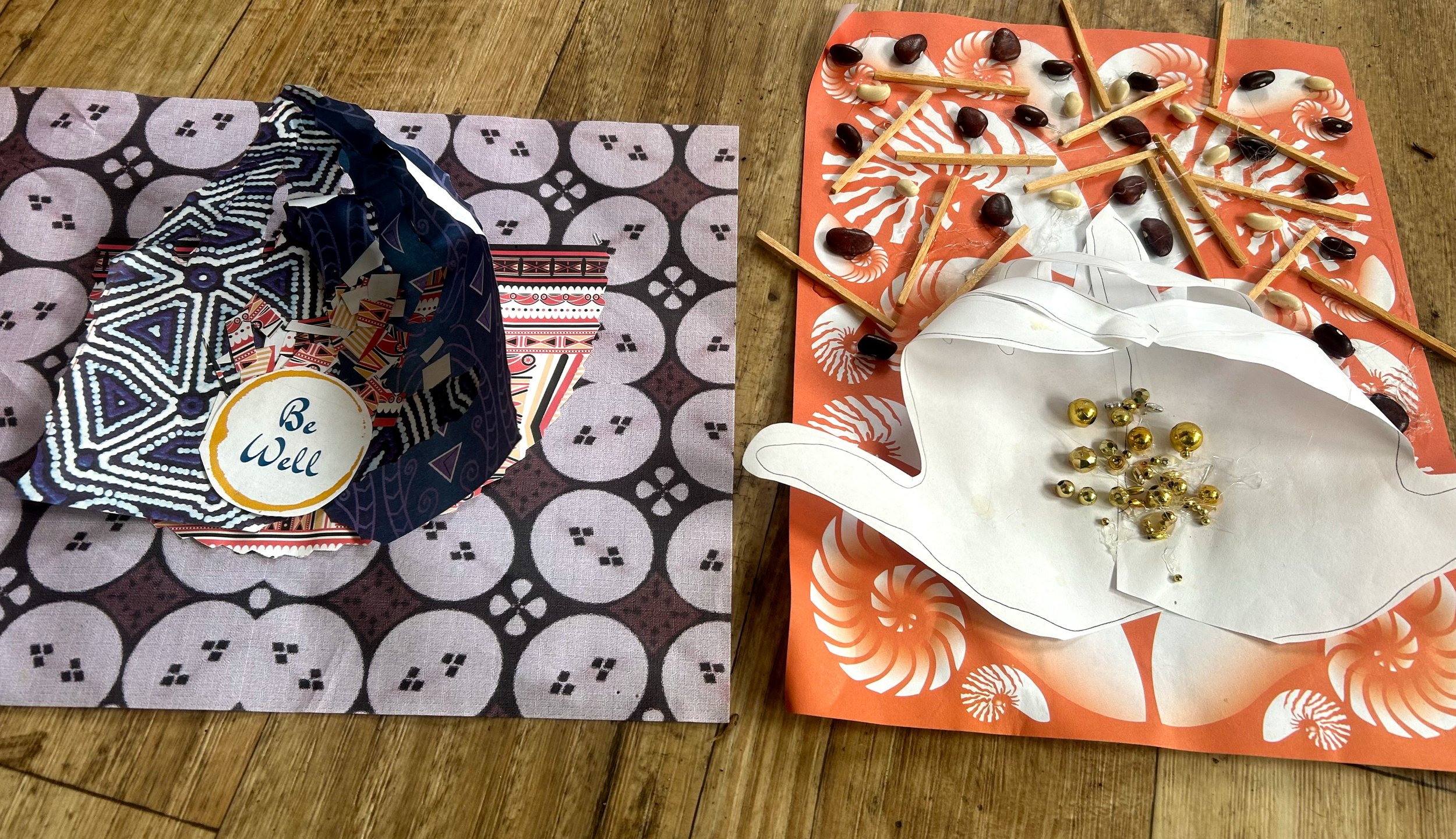
Emotion and lived experience are stored in the body, often times beyond verbal language. Art helps us to express and explore beyond words. No need to be an artist, art therapy is simply the use of shape, line, and color. Art therapy can be about making something beautiful and having fun. But it can also be about the psychological and emotional process, not about how the finished piece looks. No judgment. No expectation. See what emerges!
-

Holistic & Mindfulness Meditation
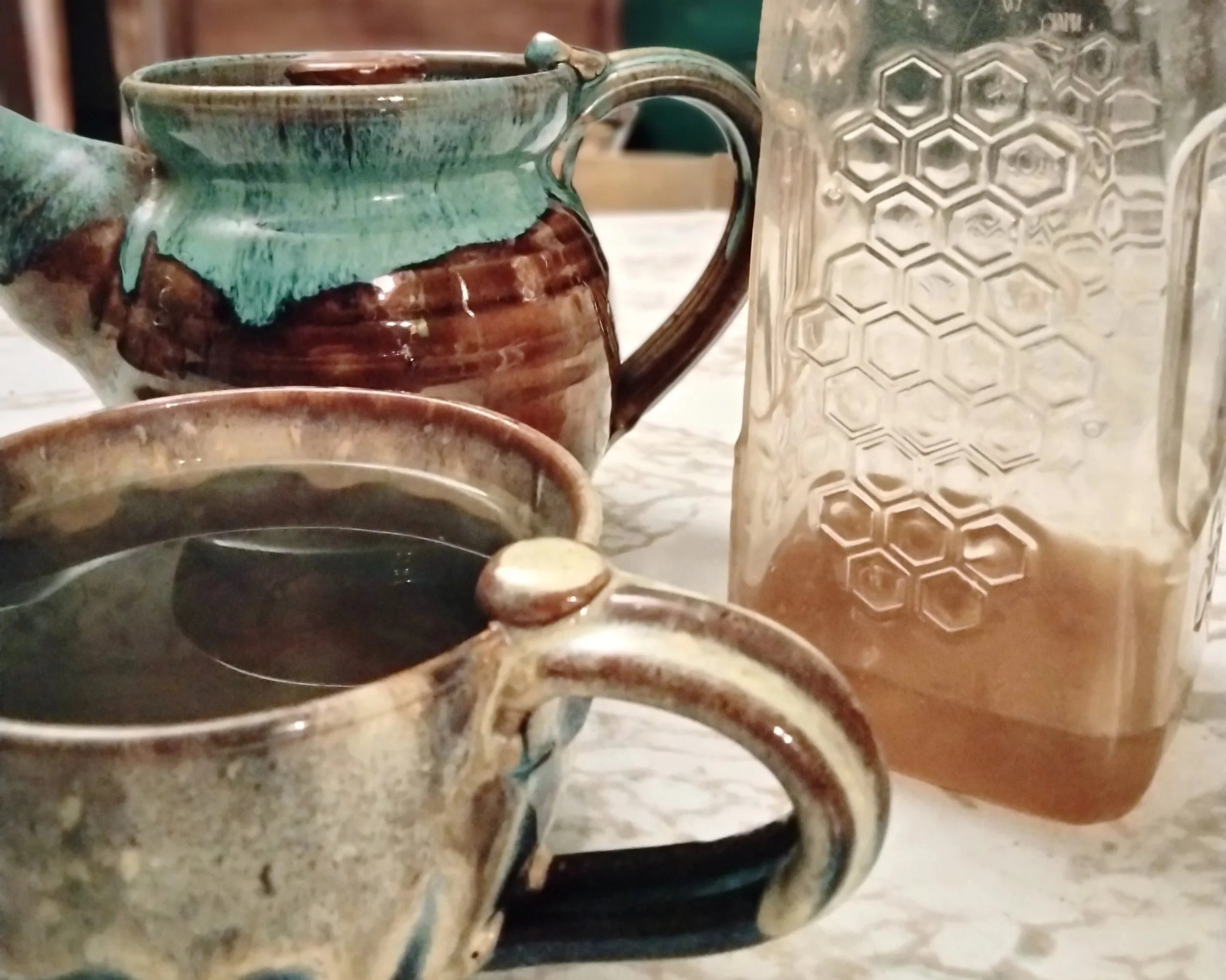
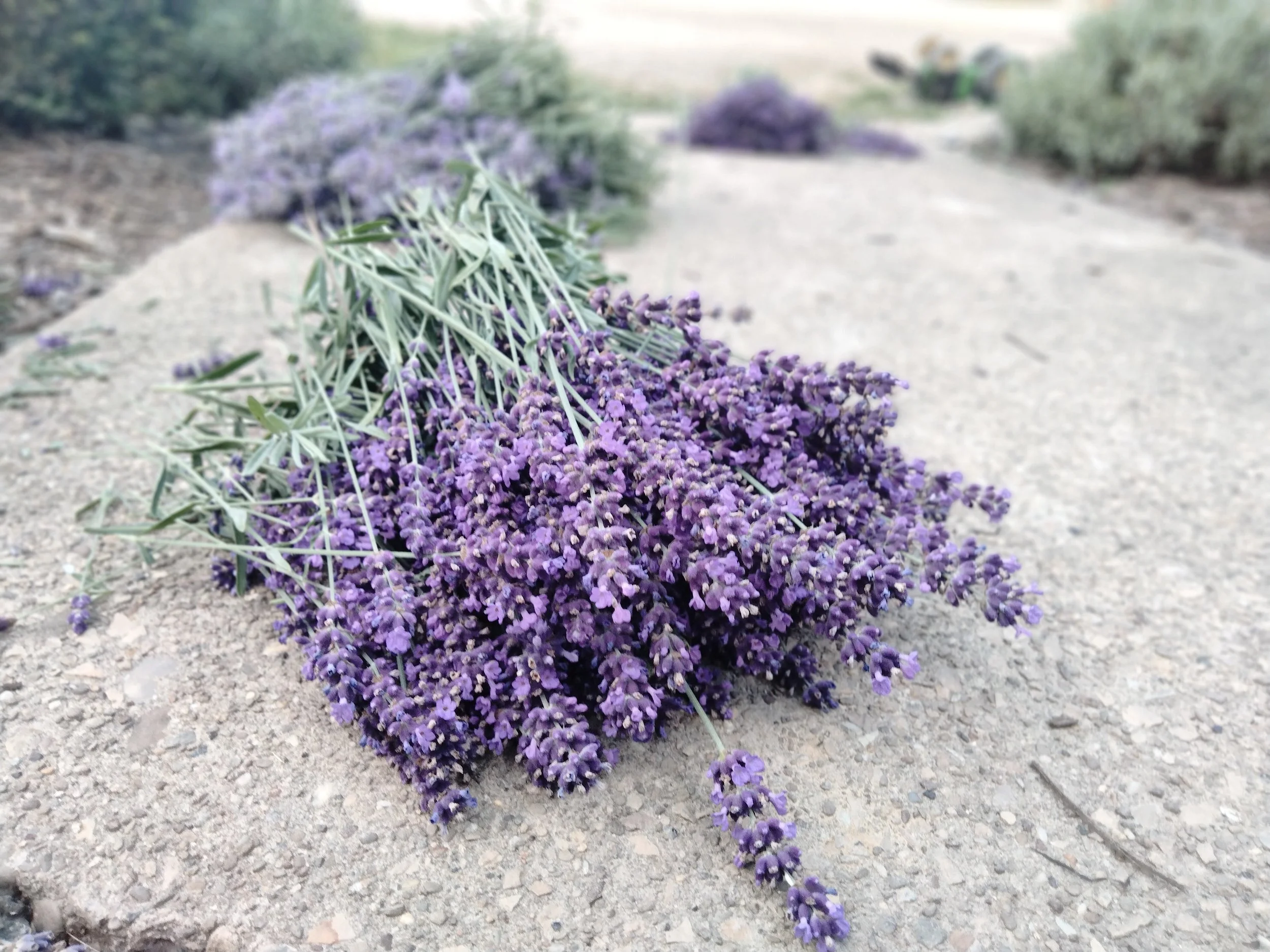
A holistic approach means together we’ll work to support your whole Self, body and mind through biorhythms, nutrition, movement, spirituality, and more. I believe we are wired for resilience and healing comes in many forms. Nature works slowly and steadily, and we can align with these rhythms in our own lives. This can include Mindfulness Meditation to cultivate presence and awareness. The simple act of paying attention nonjudgmentally in the present moment can be practiced formally and informally throughout the day to support mental, emotional, and spiritual health.
-
Internal Family Systems Informed
Through an exploratory process of identifying our various internal Parts, IFS work helps us get in touch again with our core Self. When we move toward living from a centered place of Self, softening the internal battling and reducing internal judgements, we can embody the “8 C’s” of our core Self: calmness, curiosity, clarity, compassion, confidence, courage, creativity, and connection.
-

Polyvagal Informed
Polyvagal theory gives us tools to listen again to the body’s signals. The nervous system is constantly sending messages of safety and danger but we tend to either ignore the signals or amplify them due to experiences of past trauma and/or internalized messages from childhood. Polyvagal helps us understand the body’s internal messages and learn how to respond in self nurturing and affirming ways so we can live more authentically and true to ourselves.
-
Dialectical Behavioral Therapy
DBT helps us to find “the middle way” in life. With skills such as ride the wave, opposite action, DEARMAN, and radical acceptance, we can navigate our way through intense emotions, moments of distress, and interpersonal conflict. With practice, DBT skill use cultivates a wider perspective, communication effectiveness, and emotional stability.